SEA Youth Summit 2026: Regional Youth Demand a Human-Rights Centered Green Transition
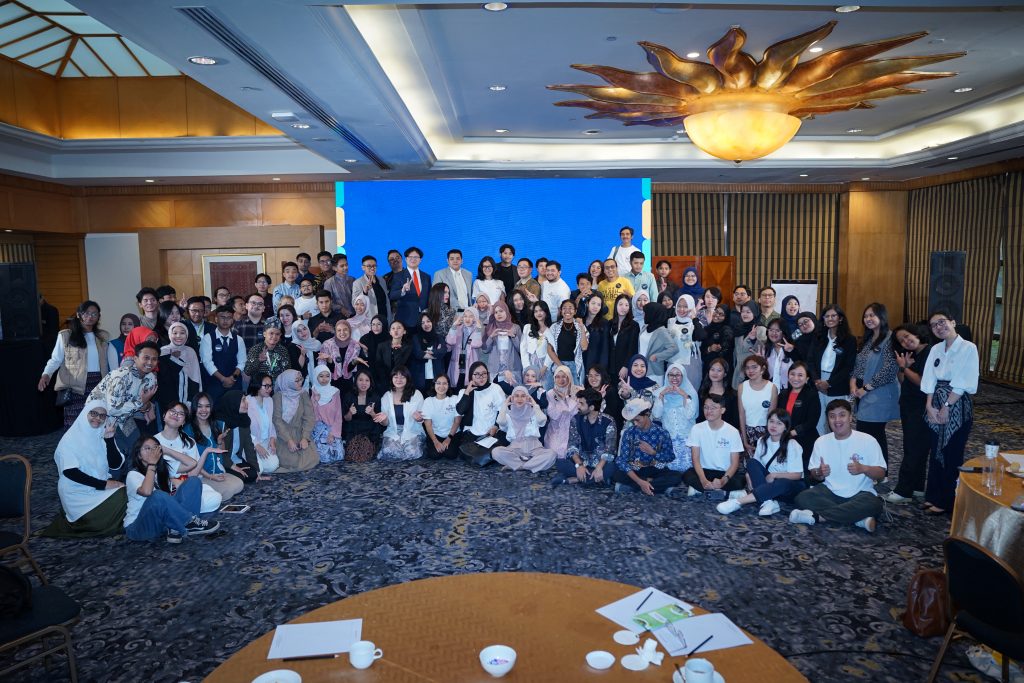
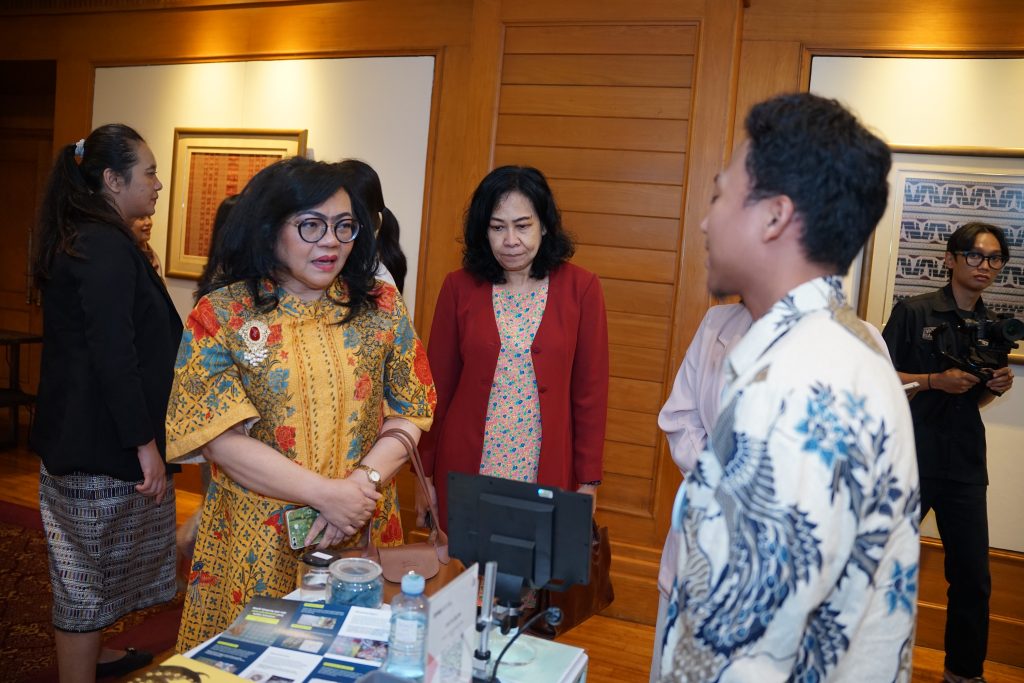
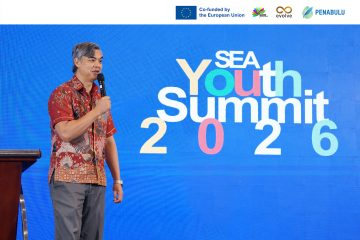
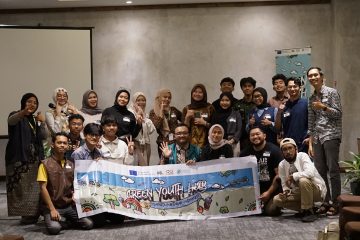
JAKARTA – On February 9, 2026, the Mezzanine Hall of the Aryaduta Hotel Menteng became the epicenter for regional climate advocacy as it hosted the SEA Youth Summit 2026. Under the theme “Youth Action for Just and Inclusive Green Transition,” the summit gathered 144 youth participants and 13 partners from across Southeast Asia, including representatives from Timor-Leste, Singapore, the Philippines, Laos, Malaysia, and 119 participants from various regions in Indonesia.
The event, supported by European Union (EU) funding through the CO-EVOLVE 2 program, aimed to empower young people to move from being mere “stakeholders” to active “rights-holders” in the region’s environmental and social policies. With over 220 million young people set to shape the direction of ASEAN by 2038, speakers emphasized that the transition to a low-carbon economy is no longer a choice but a necessity to address the “triple planetary crisis” of climate change, biodiversity loss, and pollution.
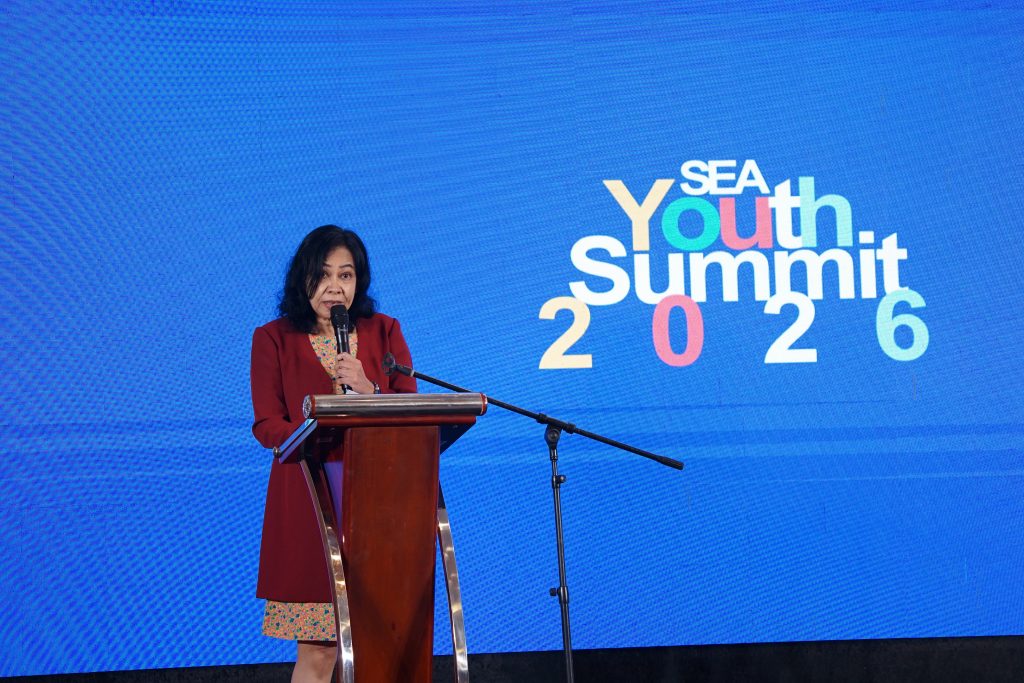
The summit was structured to bridge the gap between high-level policy and grassroots reality through Grand ASEAN Youth Town Halls and specialized parallel sessions. Key takeouts from the discussions highlighted a staggering disparity in climate finance: while 2.1trillion is directed toward energy transition, only 817 million is allocated to climate adaptation, which directly impacts people’s survival. Furthermore, participants noted that youth-led groups currently receive only 1% of global climate funding.
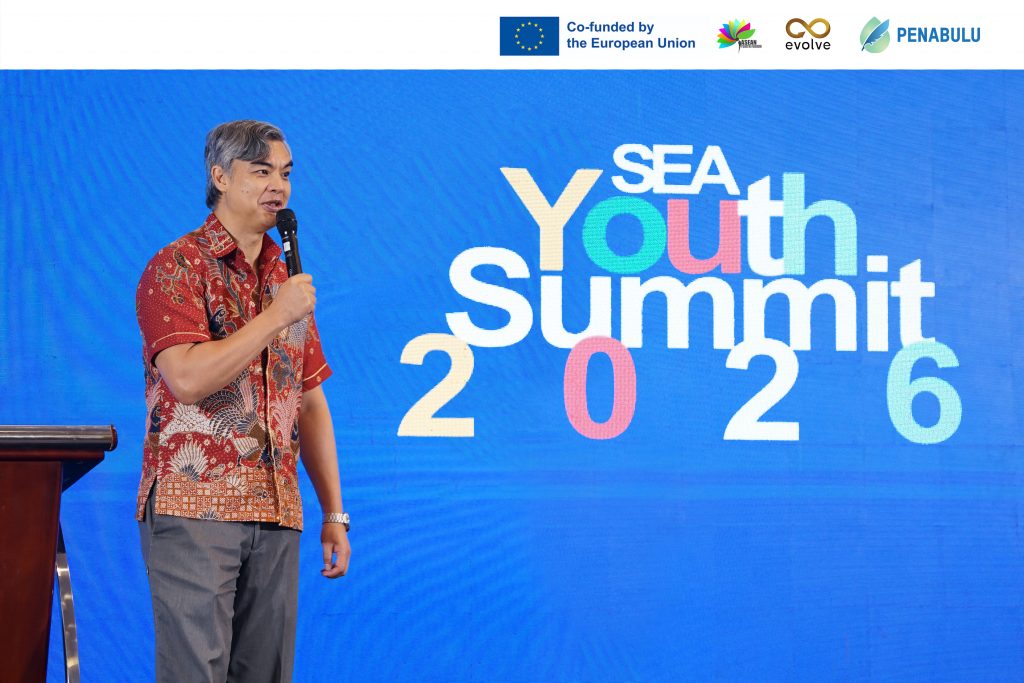
Panelists, including H.E. Sujiro Seam (EU Ambassador to ASEAN) and Anita Wahid (AICHR Indonesia), joined activists like Sumarni (an Indigenous Dayak Ngaju youth) to discuss how green policies must be grounded in justice. Sumarni shared the “uncomfortable truth” of how coal mining has devastated Indigenous lands in Kalimantan, stressing that a transition is a source of hope only if it ends extractive practices that sacrifice cultural identity.
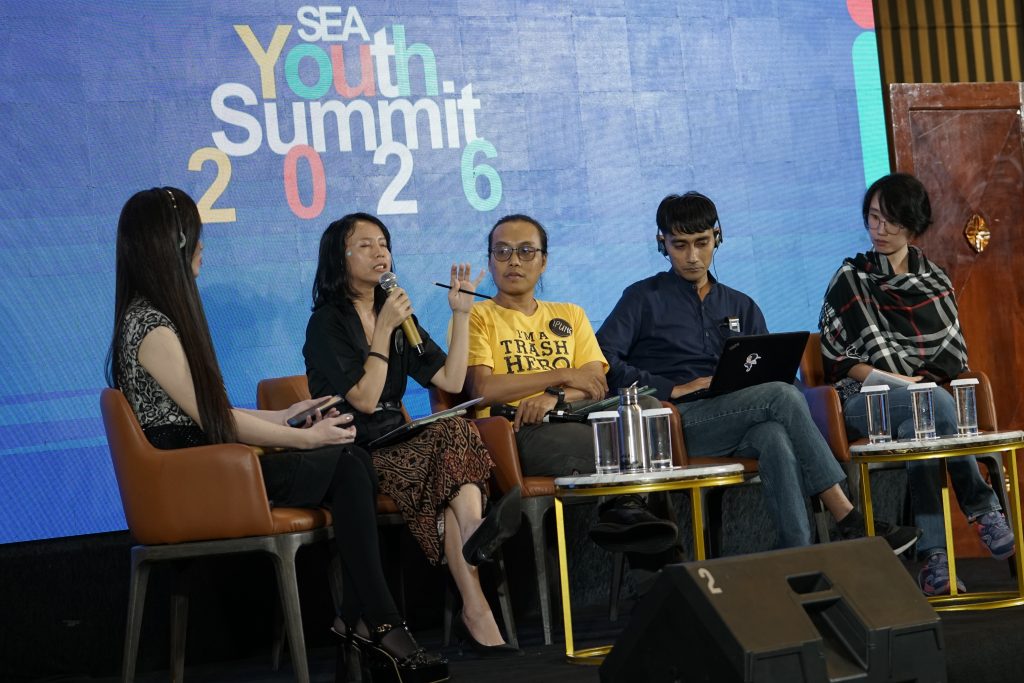
A major focus of the summit was operationalizing the principle of “Leave No One Behind.” Advocates like Megawati Iskandar Putri from LBH APIK NTB argued that “inclusive” infrastructure—such as sidewalks—often fails because persons with disabilities are excluded from the design process. The summit concluded that a just transition must integrate intersectional perspectives, specifically targeting the needs of women, Indigenous Peoples, the LGBTQI+ community, and those with disabilities.
Parallel to the main event, a consultation on Youth, Peace, and Security (YPS) involved 30 selected youth who identified structural barriers such as “tokenistic” participation. They noted that while youth are often invited to speak, they are rarely given the strategic authority to make decisions.
The summit rejected narratives that place the primary burden of climate action on individual behavior. Instead, participants called for:
- Producer Responsibility: Regulating harmful production patterns and single-use plastics
- National Accountability: Urging ASEAN governments to translate regional environmental declarations into binding national action plans
- Decentralized Energy: Prioritizing community-owned renewable solutions over top-down corporate projects
The day concluded with the presentation of a Final Youth Collective Statement. In this document, participants pledged to act as “co-architects” of the transition, committing to build bridges between regional policy and local community realities to ensure justice becomes a lived reality for everyone in ASEAN.
Visit our social media to see more about SEA Youth Summit
0 Comments